System Ceramics: care that goes beyond
In an increasingly global and interconnected industrial landscape, service is evolving beyond technical intervention to become a key enabler of continuity, proximity, and operational consistency.
For System Ceramics, this evolution takes shape within a complex international footprint that requires a structured but adaptable approach to different market conditions.
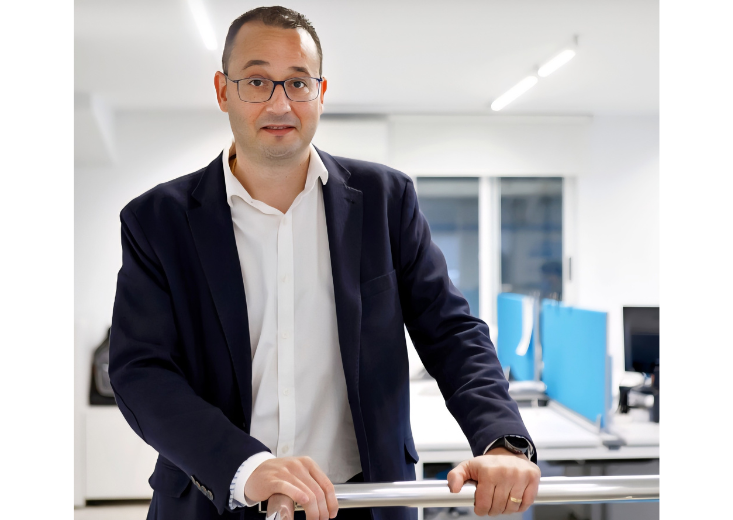
As Pedro Toledo, Europe & Americas Service Branches Manager at System Ceramics, explains, managing service across such diverse contexts requires both organizational flexibility and a deep understanding of local operational realities.
Two service models, one evolving System
As Toledo explains, “Service in our sector has evolved over the last 10 years. There continues to be great opportunities for business development. From my point of view, there are different realities depending on the geographical area”. To better understand this landscape, it is useful to compare the service models across Europe and the Americas, which are characterized by different levels of market maturity and operational structure.
Europe is a more mature market, where service models are highly structured and focused on advanced, high value-added activities such as preventive, predictive and corrective maintenance, often extended to 24/7 coverage and warranty solutions. Even within this context, there is still room for further development and optimization of service offerings.
In the Americas, the scenario is more dynamic and growth-oriented. Historically, service has been focused mainly on corrective interventions requiring highly specialized personnel. Today, System Ceramics is progressively adapting the European service model to local needs, taking into account customer expectations, organizational structures, geographical distances and time zone differences.
Proximity as an operational advantage
One of the key competitive advantages of System Ceramics lies in its structured local presence through regional service branches, enabling a deep understanding and continuous monitoring of local markets and supporting a truly 360° customer approach across commercial, technical and spare parts activities.
This proximity translates into faster, more tailored responses, directly contributing to higher productivity and stronger operational continuity for customers. As Toledo highlights, “ceramic companies operate 24 hours a day, 7 days a week, for approximately 300 days a year”, making service responsiveness a critical factor in ensuring uninterrupted operations.
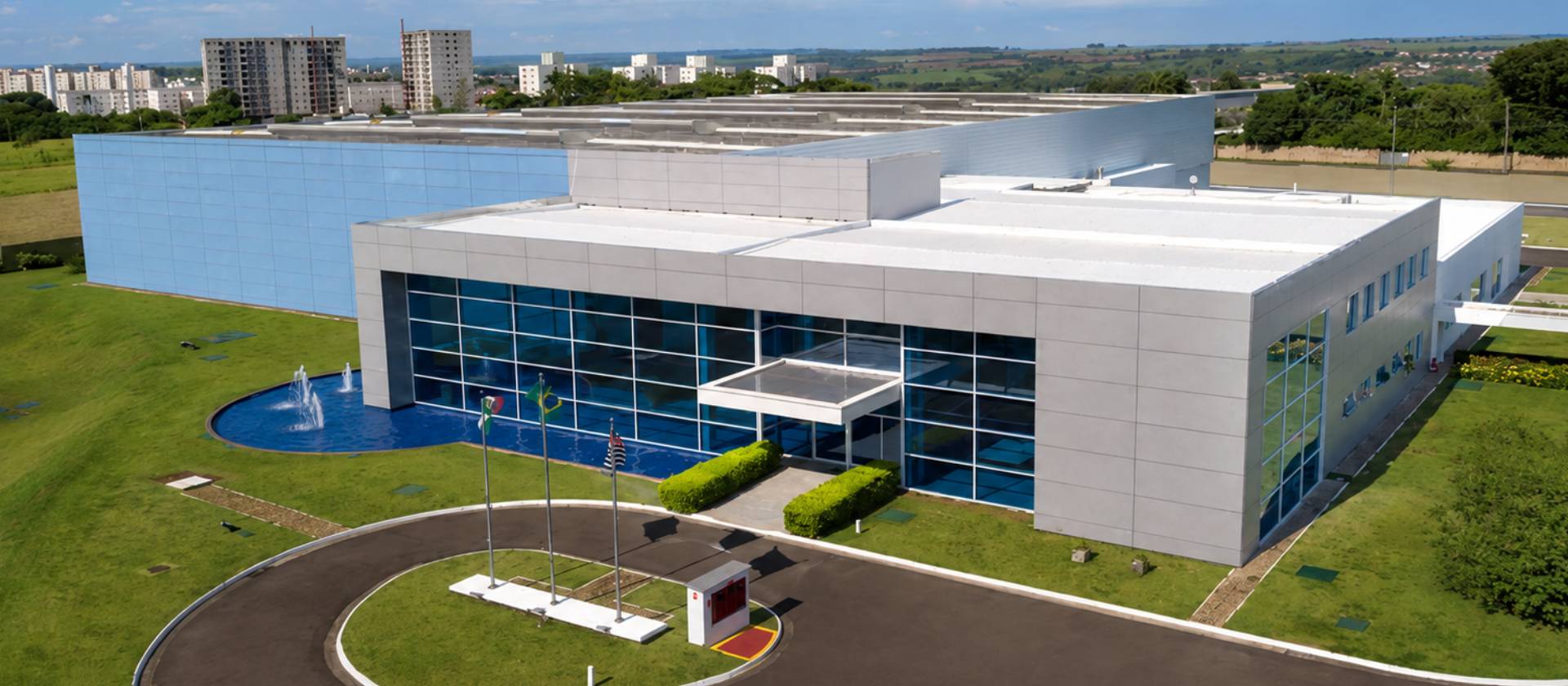
In geographically distributed markets such as the United States, Mexico and Brazil, where production sites are spread across wide territories, having service points close to customers becomes essential. These local hubs ensure immediate access to technical support, spare parts and on-site assistance, reinforcing System Ceramics’ ability to provide consistent and reliable operational support.
Managing complexity across markets
Operating across multiple countries means navigating a highly articulated landscape, where differences go far beyond geography. “Managing service in multiple countries represents a challenge, mainly due to the fact that they are very different realities”, Toledo remarks.
Among the most relevant aspects are cultural differences and varying customer expectations, which can influence the way relationships are built and operations are managed. Another key factor is the balance between standardization and local adaptation. While System Ceramics relies on a structured service model, the one “that works in Europe does not necessarily work in exactly the same way in other countries, but must be adapted based on local characteristics and needs”.
The management of multicultural and remote teams also plays a crucial role. As Toledo highlights, “the fact of working remotely with teams that are physically distant can also represent a greater difficulty compared to physical collaboration”. At the same time, this complexity represents a significant opportunity. As he underlines, “what represents a challenge becomes a magnificent opportunity for learning and enrichment, thanks to different cultures, realities and needs”. The continuous exchange between countries allows not only the export of know-how, but also the integration of new ways of operating and communicating, ultimately enriching the overall service approach and strengthening its ability to adapt across contexts.
Empowering teams across markets
The effectiveness of a regional service organization ultimately depends on the people who operate within it and on their ability to understand and respond to local market dynamics.
This includes not only qualified technicians capable of managing the various systems installed locally, but also sales personnel able to closely support customers, along with a structured spare parts organization. What makes the difference, however, is the ability to build relationships over time, because “it is important that the teams present locally have a relationship with the customer that is built on a daily basis: listening to them, making proposals, being physically present when they need it”.
At the same time, this local presence is strengthened by strong coordination with headquarters, which “carry out active listening to information coming from branch personnel, since in many cases needs and situations vary depending on the market”.
The interaction between local teams and central coordination enables System Ceramics to combine proximity with consistency. Meanwhile, the presence of diverse multicultural teams further enriches the organization, turning complexity into an additional source of value.
Future takeaways: the importance of long-term partnerships
In complex and international industrial environments, service plays a defining role in shaping the relationship between companies and their customers over time. As Toledo remarks, “with the sale of a system, System becomes a strategic partner of its customers”.
From there, the focus shifts from individual interventions to the continuity of the relationship, as “daily work, proximity, and the resolution of the different problems and needs are what enable a long-term relationship based on trust”.
It is precisely this continuity that turns service into a lasting partnership, capable of adapting to changing needs while maintaining stability and reliability over time.
To learn more about System Ceramics’ service approach or to explore potential collaborations, feel free to reach out to our team.